Skep Wax Records
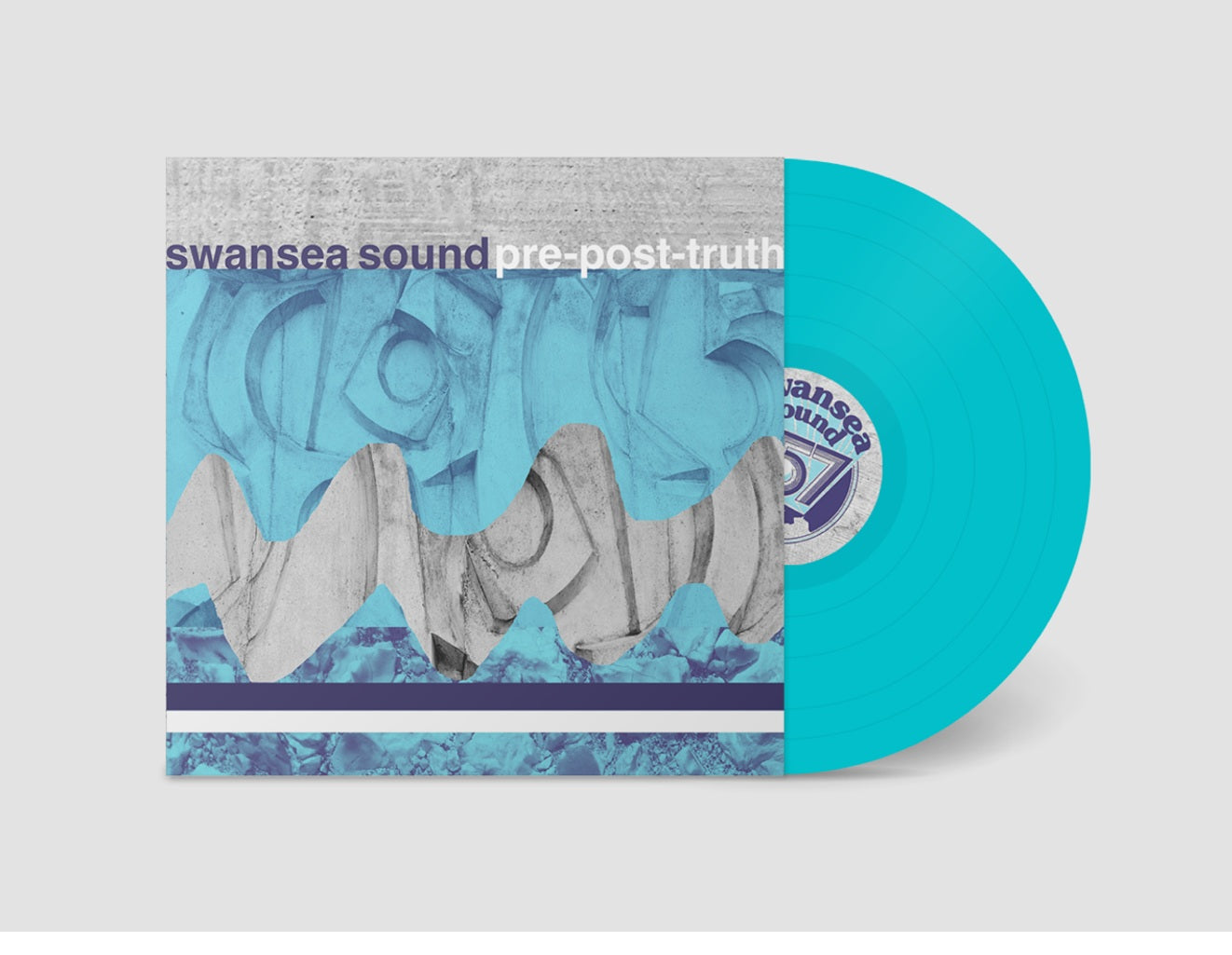
Pre-Post-Truth
Pre-Post-Truth
Impossible de charger la disponibilité du service de retrait
Sometimes described as an indie supergroup, Swansea Sound are Hue Williams (ex-The Pooh Sticks), Amelia Fletcher and Rob Pursey (Heavenly), Bob Collins (The Dentists) and Ian Button (Death In Vegas, Railcard). Pre-post-truth is their third album.
Pre-post-truth sees Swansea Sound expand their musical ambition and broaden their lyrical targets. This album is loud and it’s outspoken, but it’s also energetic, emotional and very witty. There’s an awareness of impotence too: the songs are often self-mocking, asking if it’s even possible to make subversive statements in a world where the communication channels are all owned by the tech-bros themselves.
In The Grease That Oils the Wheels, a runaway train of a song, Amelia and Hue sing three duets: in the first part, they’re a young couple struggling to make ends meet in a gig economy dominated by Uber and Deliveroo; in the second they are in a middle class band, arguing how much money they should spend on online influencers to achieve digital fame, and in the third they are a wealthy political couple (think Nick Clegg and his wife) who’ve traded in their political influence to secure lucrative jobs advising big-tech companies. The one thing all three pairs have in common is that they are totally expendable: they are merely the grease that oils the wheels.
20mph, musically more akin to Wire or The Ruts, presents a tech-bro who is surprised how easy it is to stir his British followers up into a frenzy of fascistic rage – ‘I thought they’d go for trans/but no, it’s speeding bans’. The choruses feature the fired-up mob, chanting the song title as they head out to destroy another speed camera and replace it with a Union Jack.
Other tracks come at the same theme from different angles: the poignant, chiming Flamin Groovies-like On Our Own traces the history of a building and the people who inhabited it: once upon a time it was a small venue where the band first played; in the 80s it was demolished to make way for an office block, giving employment to the white collar working class (‘the work was dull but paid enough’), and now the building lies empty: all those clerical jobs have been sucked up by AI. The friends who played and worked together don’t hang out any more because they are all stuck at home, doom-scrolling.
But there’s no point getting nostalgic. As the title of the album suggests, the pre-post-truth era of innocence is long-gone, if it existed at all. The eerie psych pop of That Life sees the band immersed in a haze of memory, struggling to access some Utopian space that may be a pre-tech world, or may be childhood – it’s hard to separate the two.
Either way, it has disappeared. And, as Mean To Be Mean reminds us, it wasn’t that great in the past anyway: a world dominated by well-paid opinion-formers, mostly male, who had the power to police our culture.